
One of the most common questions people ask when considering LASIK eye surgery is not just “Will it work?” but “How long will it take before I can see clearly?” Recovery is often the deciding factor—especially for those with busy schedules, work commitments, or understandable nerves about their eyes healing properly.
The good news is that LASIK recovery is usually much quicker and smoother than people expect. Still, healing doesn’t happen all at once. Vision improves in stages, and knowing what’s normal at each point can make the entire experience far more reassuring.
This article walks you through the LASIK recovery timeline, from the moment the procedure ends to the weeks and months that follow, so you know exactly what to expect and when clearer vision typically arrives.
What Is LASIK Eye Surgery?
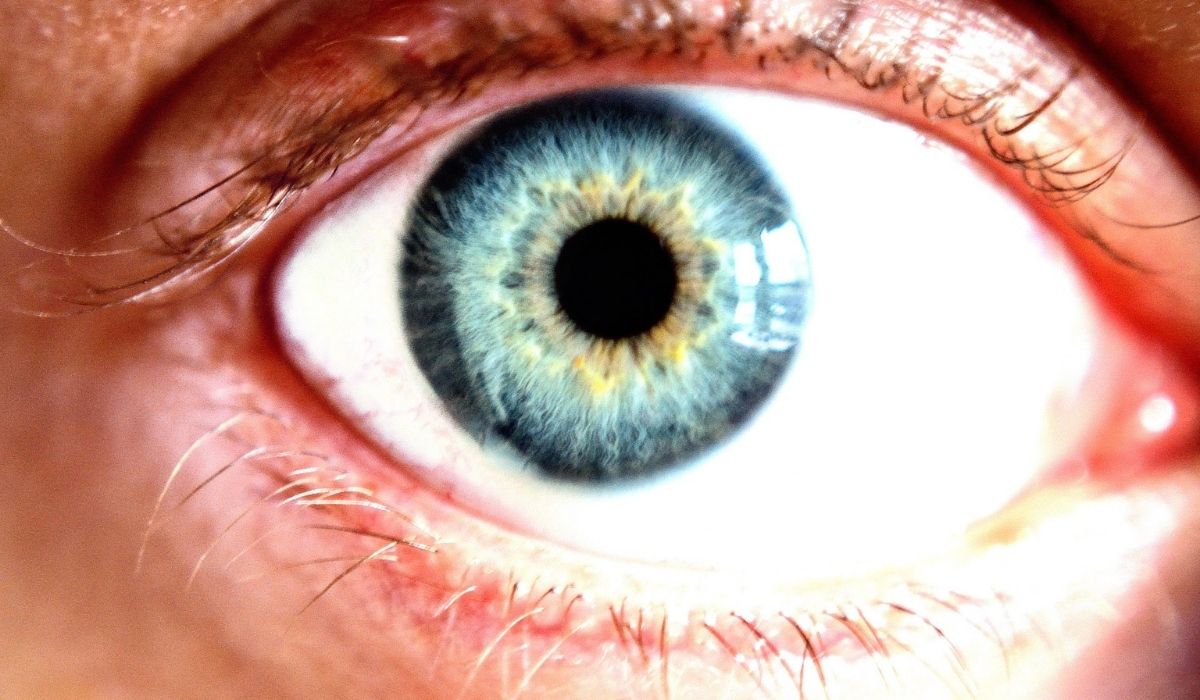
LASIK eye surgery is a type of laser eye surgery used to correct common vision problems by reshaping the cornea. The cornea is the clear, curved surface at the front of the eye that bends light so it focuses properly on the retina.
When the cornea’s shape causes light to focus incorrectly, vision becomes blurry. LASIK gently reshapes the cornea so light enters the eye more accurately, improving clarity and reducing dependence on glasses or contact lenses.
LASIK eye surgery is commonly used to correct:
- Nearsightedness (myopia)
- Farsightedness (hyperopia)
- Astigmatism
It falls under refractive surgery, which focuses on correcting how the eye focuses light rather than treating eye disease.
How LASIK Works: A Simple Step-by-Step Overview
Understanding what happens during LASIK helps explain why recovery follows a particular timeline.
Step 1: Detailed Eye Mapping
Before surgery, advanced scans measure corneal thickness, shape, and prescription details. This ensures the treatment is customised to your eyes.
Step 2: Numbing the Eye
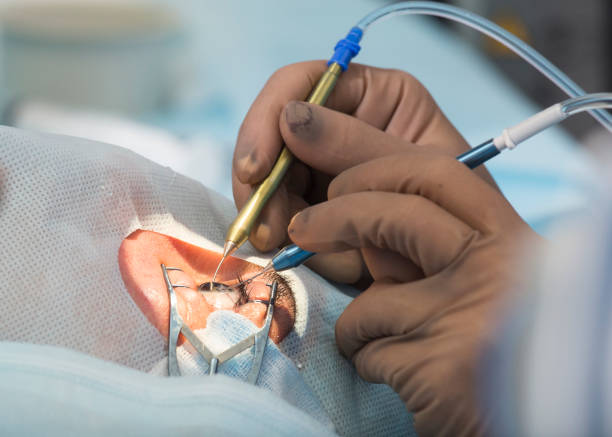
On surgery day, numbing drops are applied. You remain awake, but discomfort is minimal.
Step 3: Creating the Corneal Flap
A precise laser creates a thin flap on the cornea, which is gently lifted.
Step 4: Reshaping the Cornea
Another laser reshapes the underlying tissue. This step usually takes less than a minute per eye.
Step 5: Flap Repositioning
The flap is placed back into position, where it naturally settles and begins healing.
Because the corneal flap is preserved, healing is typically faster than with some other forms of laser vision correction.
Who Is LASIK Eye Surgery Suitable For?
Recovery expectations depend partly on whether LASIK is truly suitable for your eyes.
LASIK eye surgery is often suitable for people who:
- Are over 18 years old
- Have stable vision for at least one year
- Have healthy eyes and adequate corneal thickness
- Have realistic expectations about results
LASIK may not be recommended for individuals with very thin corneas, significant dry eye issues, certain eye conditions, or unstable prescriptions. Proper screening is essential for both safety and recovery quality.
LASIK Eye Surgery Recovery: What Happens and When
While every person heals a little differently, LASIK recovery generally follows a predictable pattern.
Immediately After LASIK (First Few Hours)
Right after LASIK eye surgery, your vision will likely feel blurry, foggy, or watery. This is completely normal.
What You May Notice
- Blurred or hazy vision
- Light sensitivity
- Watery eyes
- A gritty or scratchy sensation
These sensations usually peak within the first few hours.
What Helps
- Resting with your eyes closed
- Wearing protective eye shields if advised
- Avoiding screens and bright lights
Most clinics recommend going home and sleeping for several hours to allow the eyes to settle.
The First 24 Hours: Early Visual Improvement
For many people, this is when the first noticeable improvement begins.
Vision Changes
- Vision often starts clearing within hours
- Some fluctuations are normal
- One eye may feel clearer than the other
It’s common to feel encouraged by how quickly things improve, though vision may still feel slightly unstable.
Care Tips
- Use prescribed eye drops as directed
- Avoid rubbing your eyes
- Keep water, dust, and makeup away from your eyes
Most people can resume light activities the next day.
Days 2 to 7: Vision Continues to Settle
During the first week, your eyes are actively healing.
What’s Normal
- Gradual sharpening of vision
- Mild dryness or irritation
- Occasional light sensitivity
Some days may feel better than others—this fluctuation is a normal part of healing.
Daily Life
- Many people return to work within a day or two
- Screens can be used, but regular breaks help
- Exercise is usually allowed with precautions
Follow-up appointments during this period ensure healing is progressing well.
Weeks 2 to 4: Vision Stabilisation Begins
By this stage, most people feel comfortable and confident in daily life.
Visual Experience
- Vision feels clearer and more consistent
- Night vision continues to improve
- Dryness may still occur but usually less frequently
Healing Progress
The corneal flap continues to strengthen, and the eye adapts to its new shape.
This is often when people fully appreciate the convenience of improved vision.
One to Three Months: Near-Final Results
For many individuals, vision stabilises significantly within this timeframe.
What to Expect
- Vision feels natural and reliable
- Minor fluctuations usually fade
- Follow-up visits confirm long-term stability
Some people notice small refinements in clarity during this phase, especially in low-light conditions.
Three to Six Months: Long-Term Healing
By this stage, healing is largely complete.
Vision at This Point
- Most people have reached their final visual outcome
- Comfort and clarity are well established
- Any residual dryness is usually minimal
If enhancements are ever needed, this period allows providers to evaluate long-term results.
Benefits of LASIK Recovery Compared to Other Procedures
One reason LASIK eye surgery is so popular is its relatively quick recovery.
Key Advantages
- Faster visual improvement
- Minimal discomfort for most people
- Short downtime from work and routine activities
Compared to some other forms of laser eye surgery, LASIK recovery tends to feel more manageable for many patients.
Limitations to Keep in Mind
While LASIK recovery is usually smooth, it’s important to be realistic.
- Vision may not be perfect immediately
- Dry eye symptoms can occur temporarily
- Healing speed varies between individuals
- Age-related vision changes still happen later in life
Understanding these points helps prevent unnecessary worry during recovery.
Safety and Success Rates
LASIK eye surgery has a strong safety profile when performed on suitable candidates. Advances in laser technology, personalised treatment planning, and thorough screening have all contributed to high satisfaction rates.
Most people achieve vision that allows them to function comfortably without glasses or contact lenses for everyday activities.
FAQs: LASIK Eye Surgery Recovery Timeline
How quickly will I notice vision improvement after LASIK?
Many people notice clearer vision within a few hours of LASIK eye surgery, with further improvement over the first few days. While early clarity is common, vision continues to stabilise over several weeks as the eyes heal and adjust to their new shape.
Is it normal for vision to fluctuate during recovery?
Yes, mild vision fluctuations are normal during LASIK recovery. Changes in clarity, especially during the first few weeks, often reflect normal healing and dryness. These variations usually settle as the cornea stabilises and the eye surface recovers fully.
When can I return to work after LASIK?
Most people return to work within one or two days after LASIK eye surgery, depending on comfort and job demands. Screen-heavy work may require short breaks initially, but daily routines typically resume quickly with minimal disruption.
How long does dryness last after LASIK?
Dryness can occur during the early recovery phase and may last several weeks or months for some people. Regular use of prescribed lubricating drops helps manage symptoms while the eyes adjust and tear production stabilises.
When is vision considered fully healed?
Vision is often considered stable between three and six months after LASIK eye surgery. By this time, healing is largely complete, and most people have reached their final visual outcome, with clarity feeling natural and dependable.